


Chorlton: An Area Guide
Böhm explores a neighbourhood with a strong sense of identity - one that offers the perfect blend of suburban charm and vibrancy, along with close proximity to the city centre, excellent schools, and abundant green spaces.
Written by Ellie Foster
It’s a wet, windy Wednesday and I’m sat at my sister’s breakfast bar, listening to the dulcet tones of a power drill boring into reclaimed timber – my stepdad constructing what would become an elevated outdoor seating area come the summer months. Though in no way ambient for either of us, it seems an apt setting for my discussion with Editional Studio’s co-founder Jo Sharples, who (alongside fellow co-owner Jack Richards) advocates for home retrofitting which celebrates existing architecture, and waves the flag for low-impact design.
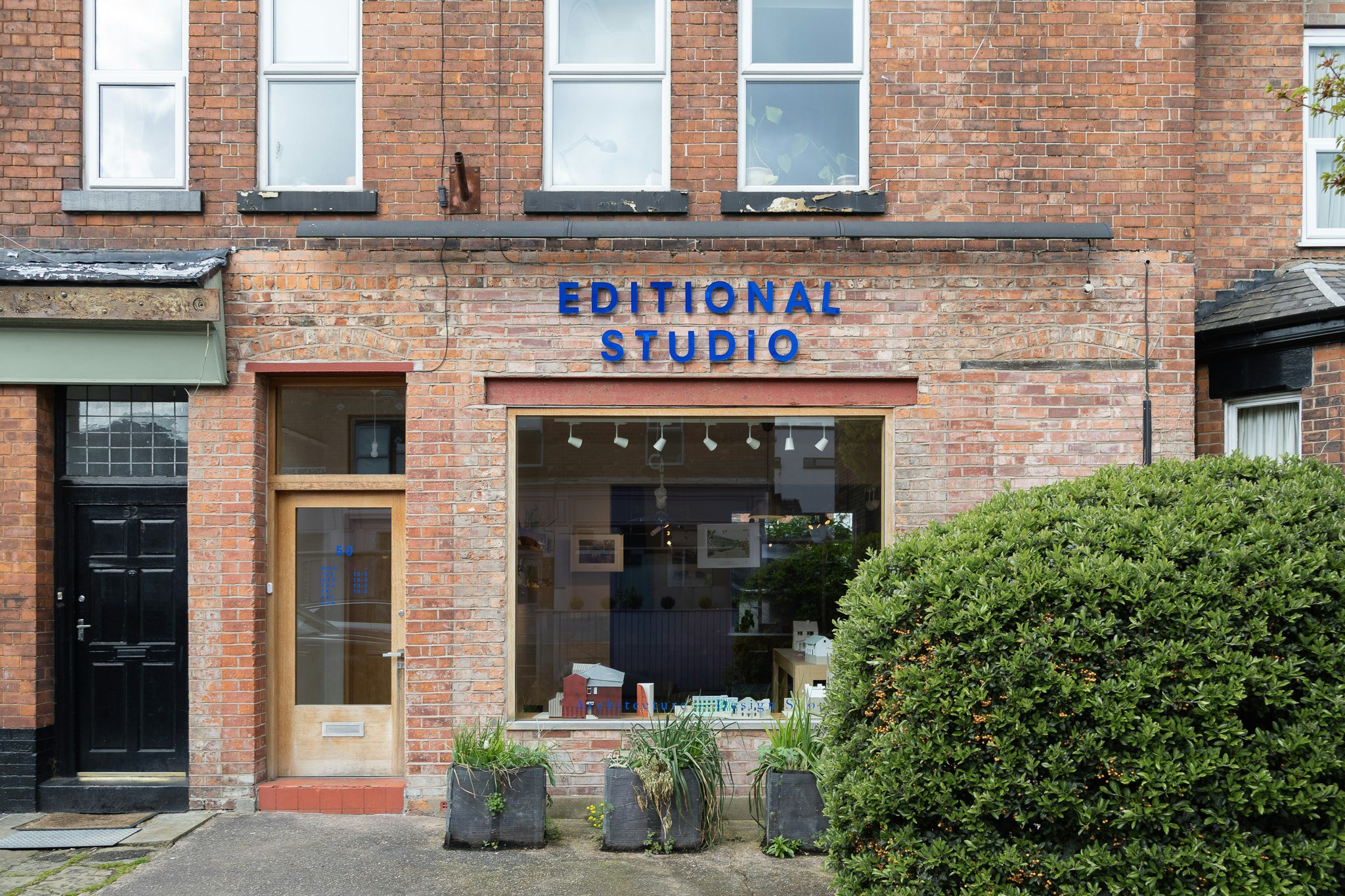
When the bangs and thuds eventually subside, we delve into how Editional Studio first came to be; a story involving architecture students Jo and Jack meeting at university, pursuing separate paths in different cities and coming back together, in Manchester, after Jo proposed they start their own practice in 2018. On the lookout for a physical premises, an ex-balloon shop in Chorlton offered a solution for a somewhat unique studio set-up, the space not only serving as a HQ, but also an open studio and exhibition venue geared toward community engagement. “[We wanted] the studio itself to have a rough and ready feel to it. It has exposed floorboards, the plaster is just white and the shopfront has these beautiful oak frames that are made in Stockport,” Jo explains. Unbeknownst to the pair at the time, this exact aesthetic became the premise of everything the studio stands for today.
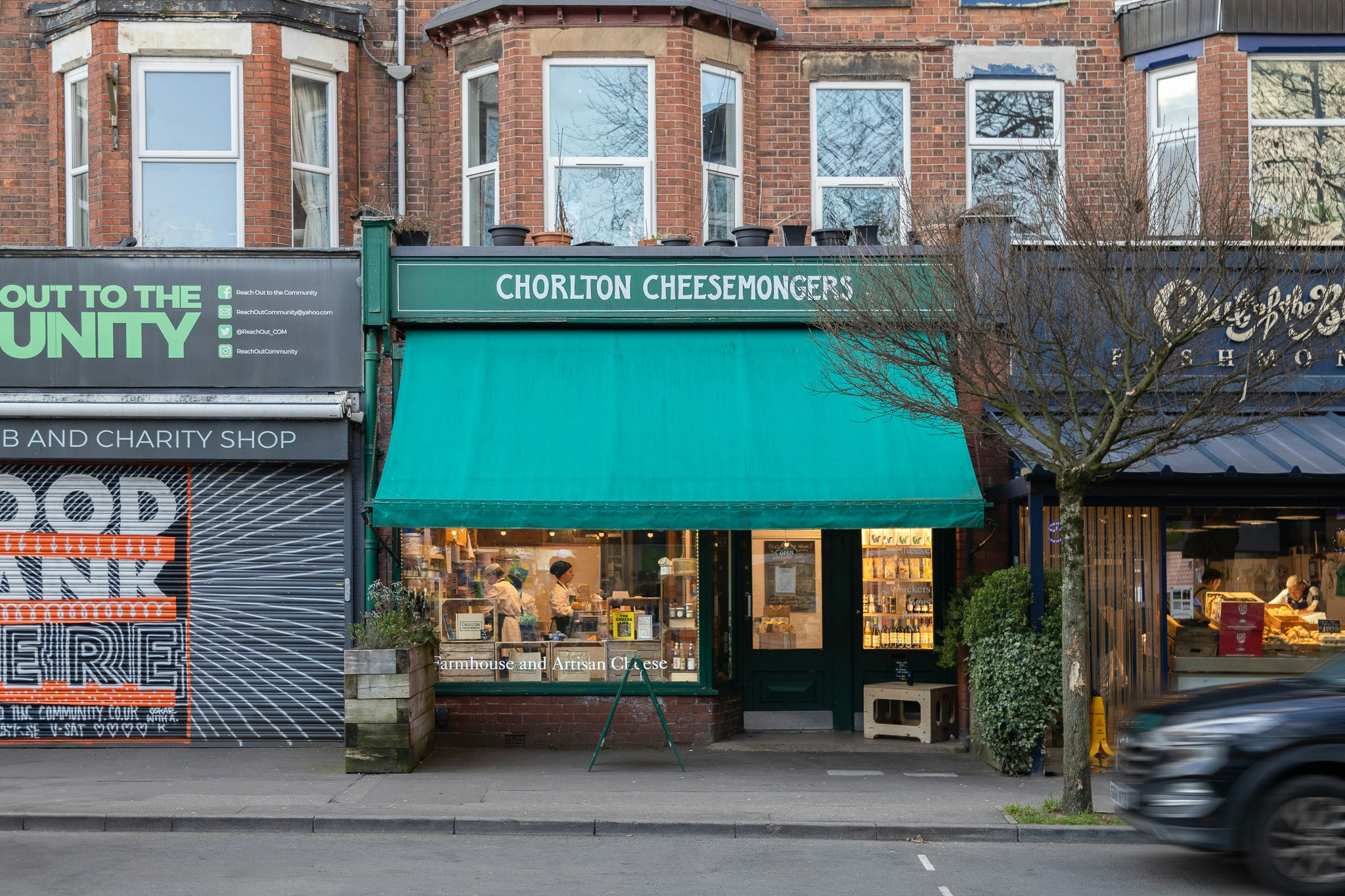
Editional Studio's Chorlton studio. Photography: Ella Wheatley
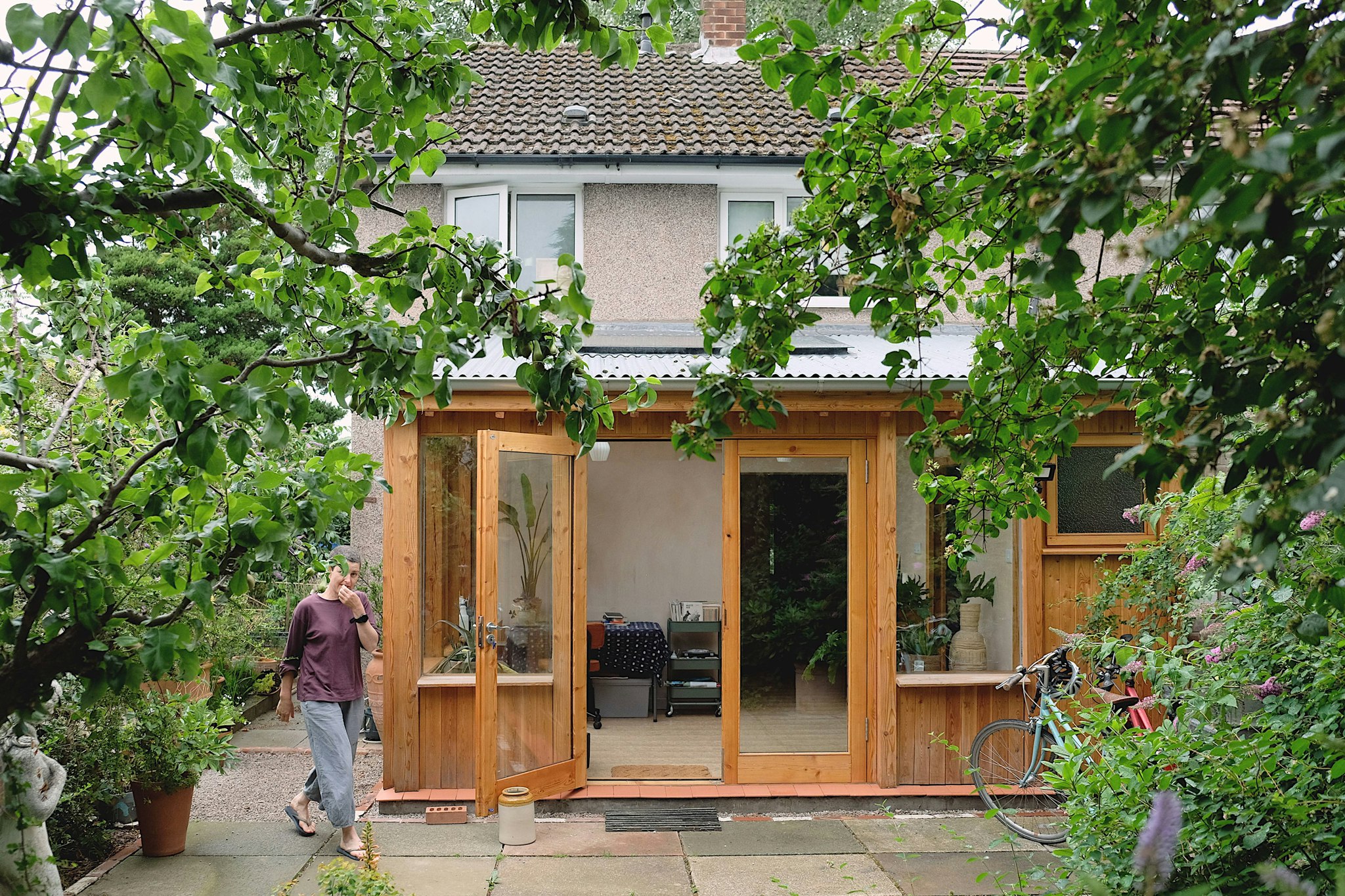
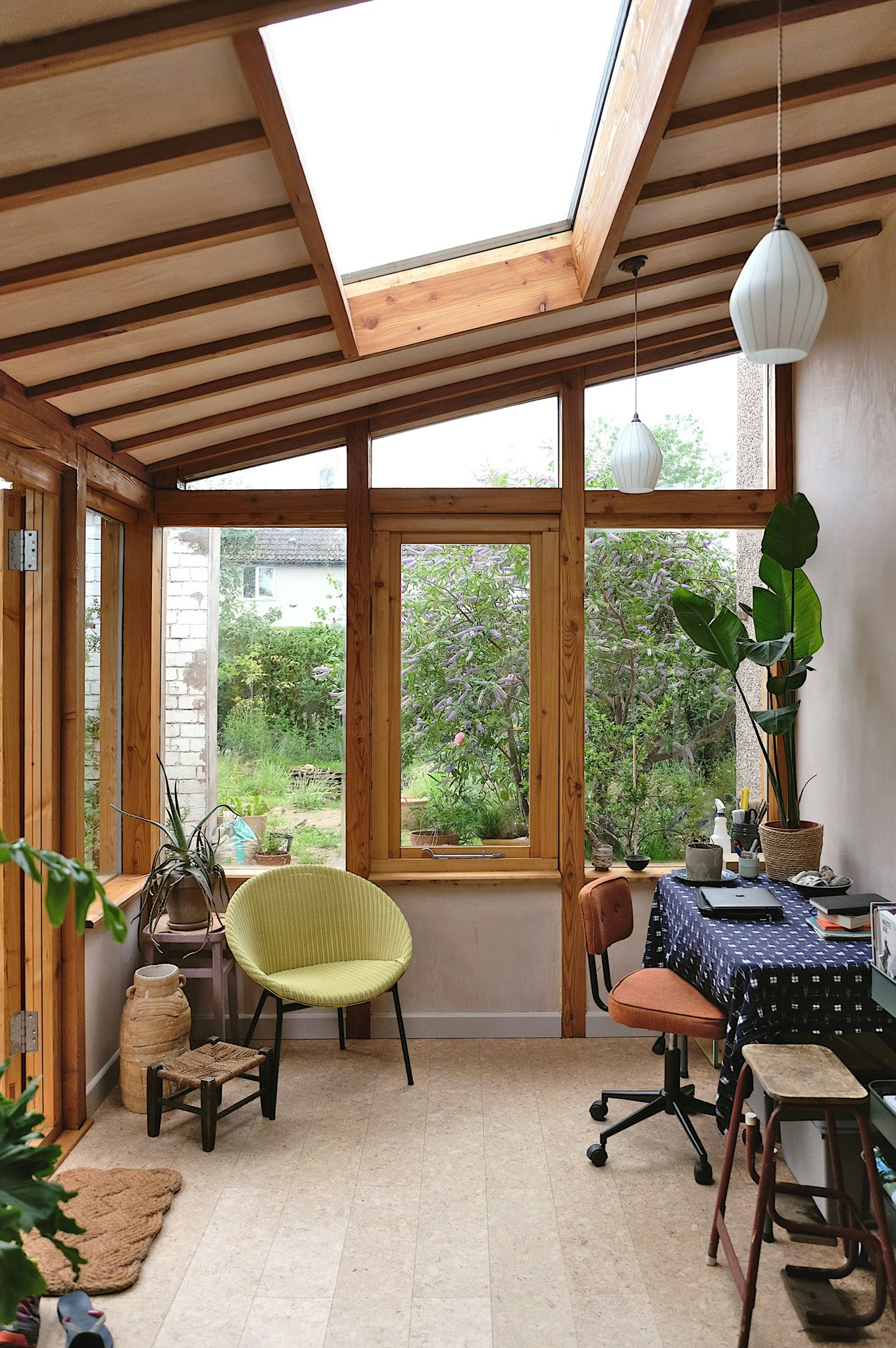
Six months after opening its doors, lockdown hit, and with an unprecedented amount of time looking at the four walls, an influx of locals rushed to Editional for help with their home renovations. Although a surprisingly busy period, Jo reminisces on widespread attitudes back then as well as the nature of the conversations the team would continue to have throughout the pandemic. “We had this growing frustration that everyone wanted to do a similar thing: take out all the walls and have an open plan living situation… which can be lovely, but we were trying to explain to clients about how they’d lose a lot of original character; that it requires a huge amount of consumptive materials, not to mention a lot of new structure. It’s also really expensive, and when people get down to budgeting, they find that it’s something they can't really afford.” That said, the receptiveness of an early client made way for a project which embodied Editional’s vision for cool, low-stakes residential design; homes that looked the part but wouldn’t cost the Earth: “One project was for a ceramicist who totally got on board [with our way of thinking]. We ended up designing small garden room extensions – little sun porches – at the front and the back of the house. We also shifted the doors around on the ground floor so that the chimney became this centre piece that you could walk around.”
"House for a Ceramicist". Photography: Editional Studio
Off the back of this project, the studio was selected by RIBA to undertake a research project entitled ‘Decarbonise Your House Now!’ – a resource which is readily available to architects, designers and homeowners alike, and has been downloaded over 500 times since its release in 2022. “The aim was for [the layman] to read it and kind of be like, ‘Oh, nearly 40% of waste comes from the construction industry and 30% of that is virgin waste [materials that are never opened and are overordered to site].” Behind the monograph, the main take-home was that the most sustainable building is one that already exists and that, by retaining as much building stock as possible, embodied carbon remains trapped in old matter and the demand for new materials grinds to a much slower pace.
"The main take home is that the most sustainable building is one that already exists."
Talk pivots to the homeowners who aren’t interested in modernisation at all. Those who relish in the history and charm of converted mills but are, put simply, too tentative to make significant alterations for fear they’ll overspend or compromise on architectural integrity. Jo puts it plainly, “We need to let [that idea] go. The advice from Historic England is that heritage buildings need retrofitting and updating to make them last another 100 years. They acknowledge that even when a building is listed, you can still upgrade the floor insulation, improve air tightness and adopt renewable energy systems.”
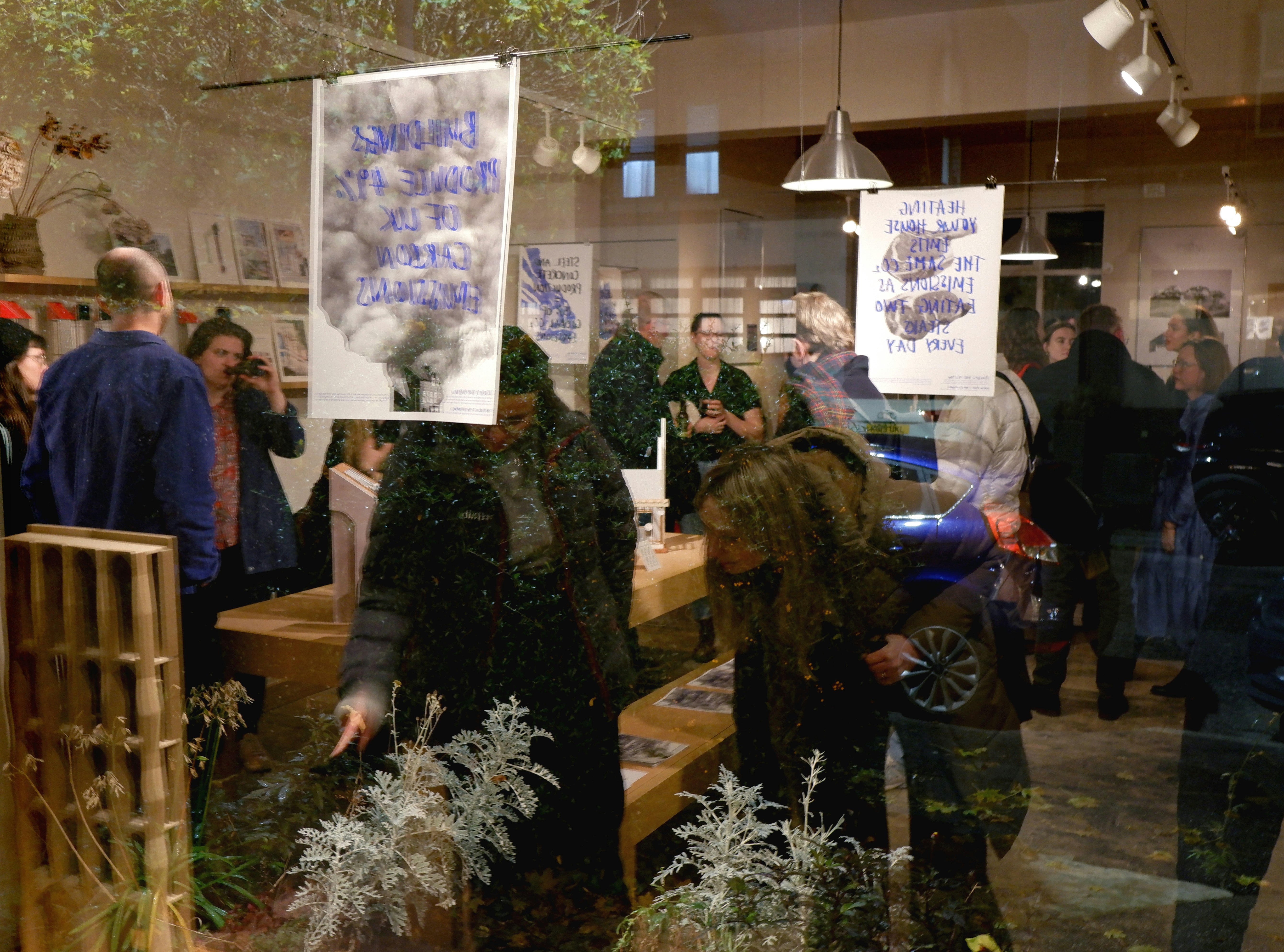
"Decarbonise Your House Now!" Opening Event. Photography: Editional Studio
Preserving antique cornices and Victorian brickwork is one thing, but Jo also implores us to look at the present day, using our observation skills to design our residences for a more renewable tomorrow. “We're living in a crazy, turbulent world at the moment. We need to future proof ourselves from energy shocks and shortages. People need to be preparing their homes for a different type of energy,” she urges.
Air Source Heat Pumps (ASHP) were invented in the 1970s. They're not a new thing, but Jo assures me that they’re a better option than their gas-guzzling modern counterparts – given they’re installed in the right circumstances. “We would never advise installing an Air Source Heat Pump without having serious insulation into your walls, roof and floors,” she says. Though the low-and-slow heating system costs mere pennies to run, she goes on to explain that a lot of our homes still aren’t cut out for them half a century on, with terrible EPC ratings making it easier to flick a switch for a red-hot blast of heat than create an environment where an ASHP can maintain a constant level of warmth.
"People need to be preparing their homes for a different type of energy."
“The first thing everyone tends to do when they move into a new house is rip out the old fixtures; bathrooms; the kitchen. That’s actually the perfect time to insulate the floor and put in under floor heating, ready for when change comes.” Jo advises that, for homeowners to be protected against an inevitable energy transition (gas boilers being phased out entirely), effective renovation requires carrying out work in a systemic, chronological order, ideally with the help of an architect. “Obviously after you've fitted your brand spanking new kitchen, you're never going to want to take up that floor again,” she adds.
But at what cost? It’s safe to assume that, in the face of hyperinflation, the incentive behind households specifying cheaply-produced, high-carbon Furniture, Fixtures & Equipment (FF&E) in their homes is because the sustainable alternative is, generally speaking, more expensive. Alongside the planetary benefits energy-saving poses, Jo puts investing in our future homes into financial perspective, “The average cost of building to Passive House levels – the highest energy efficiency level – adds around 8% cost to a construction budget, which is a lot, right? But if you think about the amount of money you're saving on energy bills, over the course of your own lifetime and the project’s wider lifespan, that 8% suddenly starts to feel insignificant.”
"House for a Ceramicist": A simple palette of exposed natural materials (timber, cork and plaster). Photography: Editional Studios
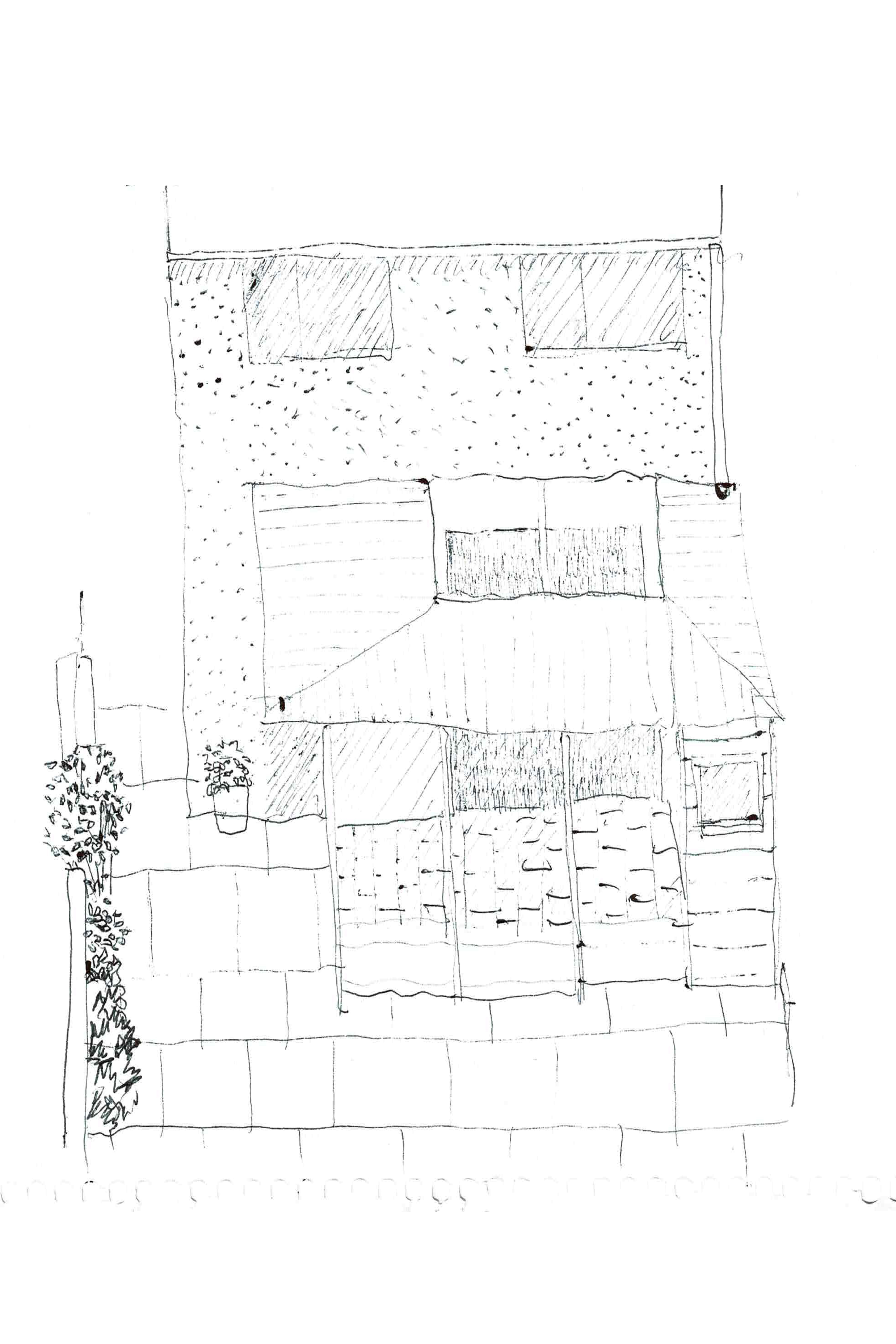
"House for a Ceramicist" Concept Sketch. By Editional Studio
With Böhm buyers and sellers in mind, conversation turns to the full spectrum of ways homeowners can approach an ecologically-driven redesign without compromising on visual impact, ranging from comprehensive overhauls to things that can be done on a shoestring. “One of my biggest tips would be to think about opening up spaces vertically. Bathrooms and hallways can often go up to the roof. Reinsulating the roof and putting in big skylights allow natural daylight [and solar gains to enter formerly dark, cold spaces],” Jo offers to those in a position to completely rejig floorplates. For the latter, Editional Studio suggests opting for heritage-inspired buildings crafts – such as wood fibre insulation and lime plaster (both of which score lowly for material toxicity and create organic thermal barriers in historic homes).
Once insulation is installed, and structure reinstated, interiors can always be left unclad to honour the architectural framework, whilst also allowing homeowners to save on finishes – a style which harkens back to the design of Editional Studio’s own Chorlton homestead. “We absolutely love that look – a really bare, stripped-back style, where you can see the bones of the building. It's a lot about being clever and not hiding things. It looks a lot better than dressing an old building in a modern coat.”
“People are under the impression that you've got to be super tech savvy [to be able to execute interiors that have a low-energy performance],” Jo adds enthusiastically. “For us, the creative design side is certainly what’s leading the project. It’s the aesthetics that are going to inspire people to want to change their spaces to become both inspiring and exciting places to live, whilst also acting as an incredibly positive force in the world.” We laugh that, between us, we don’t know a single person who gets excited about solar panels, heat pumps or the many different forms that insulation takes… despite these things being fundamental to the health of our families, architectural legacy and the future of the planet at large.
In an era of lunar travel, rapid digitisation and material innovation, it’s somewhat refreshing to hear Editional Studio’s sustainability-first ethos which, instead of leaning into technological complexities, focuses on a mastery of the architecture school fundamentals: orientation, passive ventilation, daylight, raw matter and minimal adornment. To the sound of a saw being placed down on new decking, Jo sums up our chat succinctly, “As a studio, we approach sustainability in homes with a low-tech creative perspective.” An invitation that we, too, do the same.
Böhm explores a neighbourhood with a strong sense of identity - one that offers the perfect blend of suburban charm and vibrancy, along with close proximity to the city centre, excellent schools, and abundant green spaces.
Subscribe to our newsletter for property insights and updates.